
GoNetspeed: From Demand Capture to Demand Creation
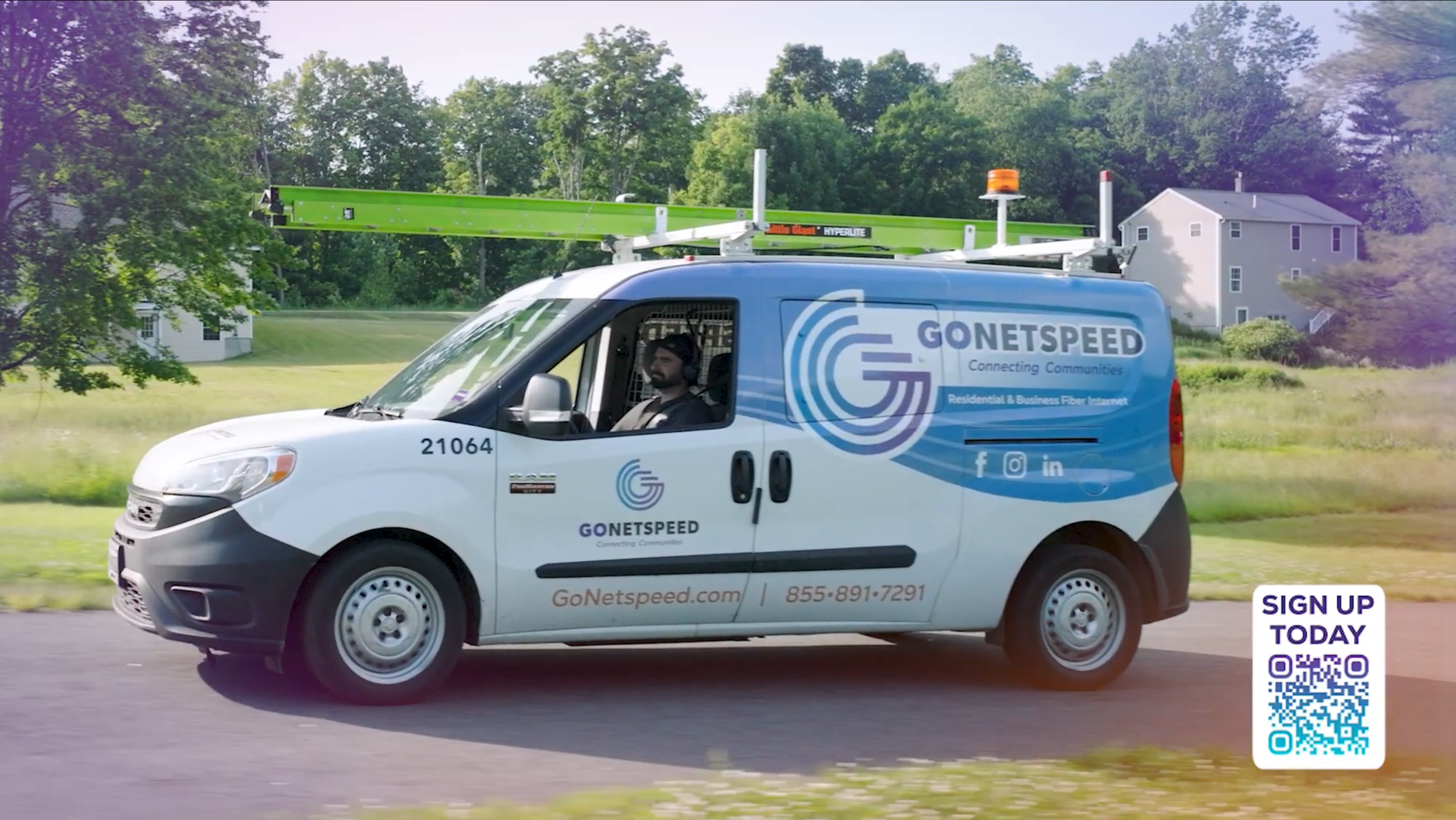
GoNetspeed competes against some of America’s largest telecommunications companies while operating under a unique constraint: in many markets, only a fraction of households are actually eligible to purchase its fiber internet service. Winning could never be a matter of simply buying more impressions.
When Campfire began reshaping the strategy in 2026, we first changed what media was accountable to. Platform conversions had historically dominated the conversation, while GoNetspeed measured success through a top-to-bottom gross sales model. We rebuilt our reporting around that business data and began connecting impressions, clicks, media exposure and creative performance directly to sales by market.
Then we went deeper.

Using competitor intelligence from Browsi, Google, Pathmatics, Media Radar, Open source messaging and creative intelligence, social listening, historical media performance and GoNetspeed’s first-party sales data, and in market Zipcode and Zip+4 reporting data we identified an enormous scale disadvantage. Competitors could generate tens of millions of daily impressions while GoNetspeed operated with a fraction of that investment. Competing on volume, particularly expensive generic search terms, was not a viable strategy.
Instead, we focused on familiarity, incrementality, and continuity.
Competitive analysis showed major competitors concentrating 60–80% of messaging around a few recognizable themes, while our own creative analysis demonstrated that frequency becomes less valuable when audiences cannot consistently associate the exposure with the brand. We consolidated GoNetspeed’s messaging across platforms, established a new creative taxonomy, and used performance data to challenge assumptions. These data points help drive the client into new creative territory allowing for more creative variation, improved performance, and supported a rebranding effort which will uniquely position them in the telecom space.

In media, we consolidated fragmented market structures, protected branded demand, reevaluated Tactics like Performance Max and Meta to maximize attribution and fluidly optimize based on demand while introducing premium CTV heavy-ups designed to create demand in priority communities. We mapped media exposure back to ZIP-level sales and built a custom regression/marketing-mix model to identify where incremental dollars could actually create growth rather than simply claim attribution.
The result: In Q2, gross sales increased 51% YoY, e-commerce increased sales 42%, and media-attributed purchase conversions increased nearly 70%. Google conversions increased 50% on only 16% more investment. A Connecticut CTV heavy-up was followed by sustained sales increases, and after six months being at the helm of both their media strategy and execution, June 2026 became GoNetspeed’s strongest sales month they had experienced, while continued growth followed.
The breakthrough was not finding one winning channel. It was building a system where audience, messaging, media, and business data finally worked together.